-
Surprises in the Overgrowth

This Mountain Day morning, I decided to take my coffee outside and walk around 555. We’ve had a couple days of windy rain and I wanted to pick up any fallen branches in the driveway. A small daily joy is to wander around in my nightgown and garden boots. I am definitely a member of…
-
Fresh Indigo Blue

Yesterday, the Cotton & Indigo Trust gathered at Oyama Senmaida for summer gardening and our first dye harvest. The indigo is thriving! The seedlings we planted have bushed out. The cotton has been attacked by insects and weeds, but there are a few flowers here and there. It’s backbreaking work to maintain the fields, and…
-
Okugome Ochre
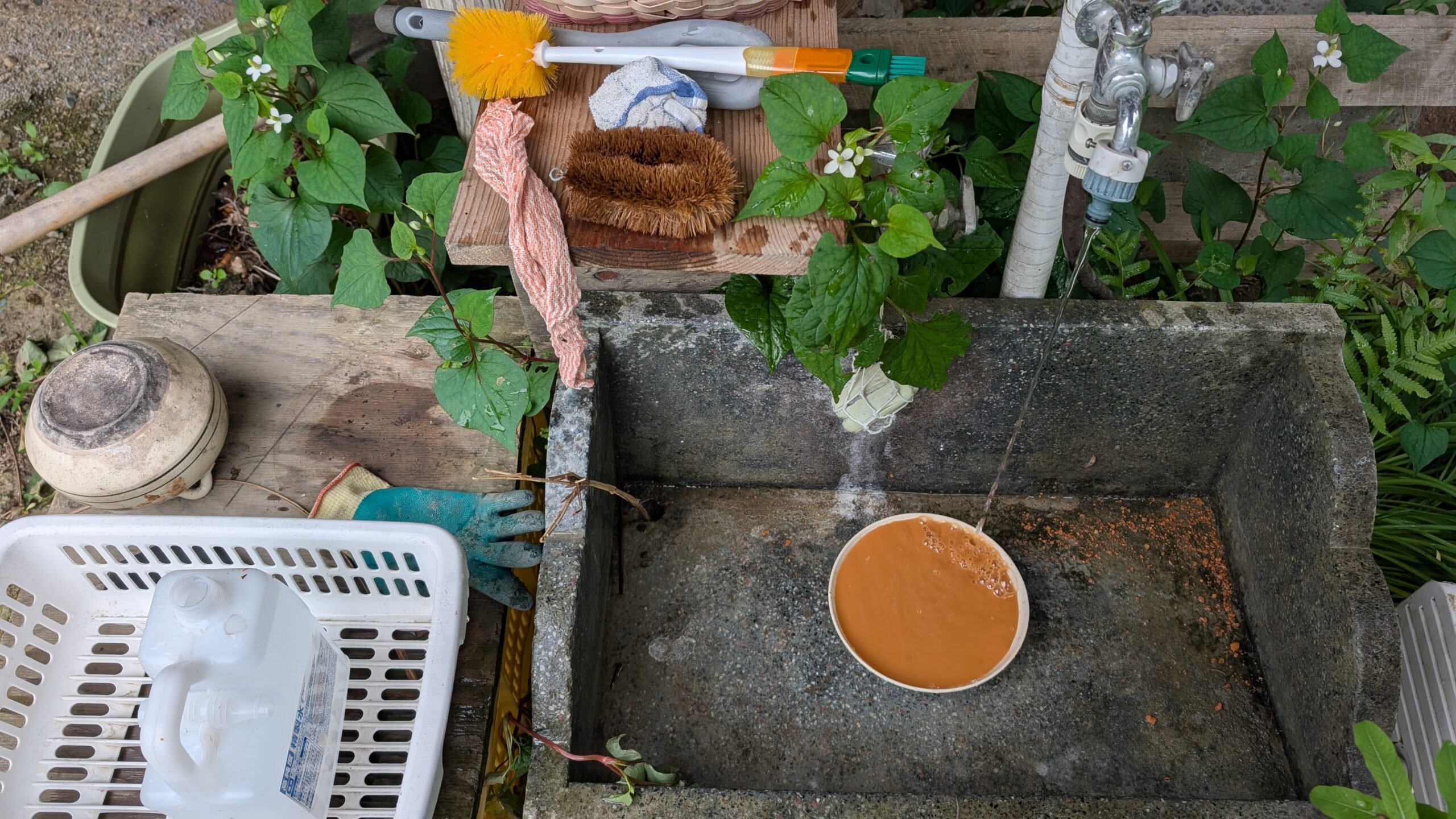
My friend Mark brought me a pickle jar full of bright orange sludge that he scraped from a tunnel near Okugome Dam. He saw the color and thought I might like it. Yes, indeed! And now I have a new earth pigment. I’m calling it Okugome Ochre. It’s actually a lot more difficult to identify…
-
Coreopsis colors
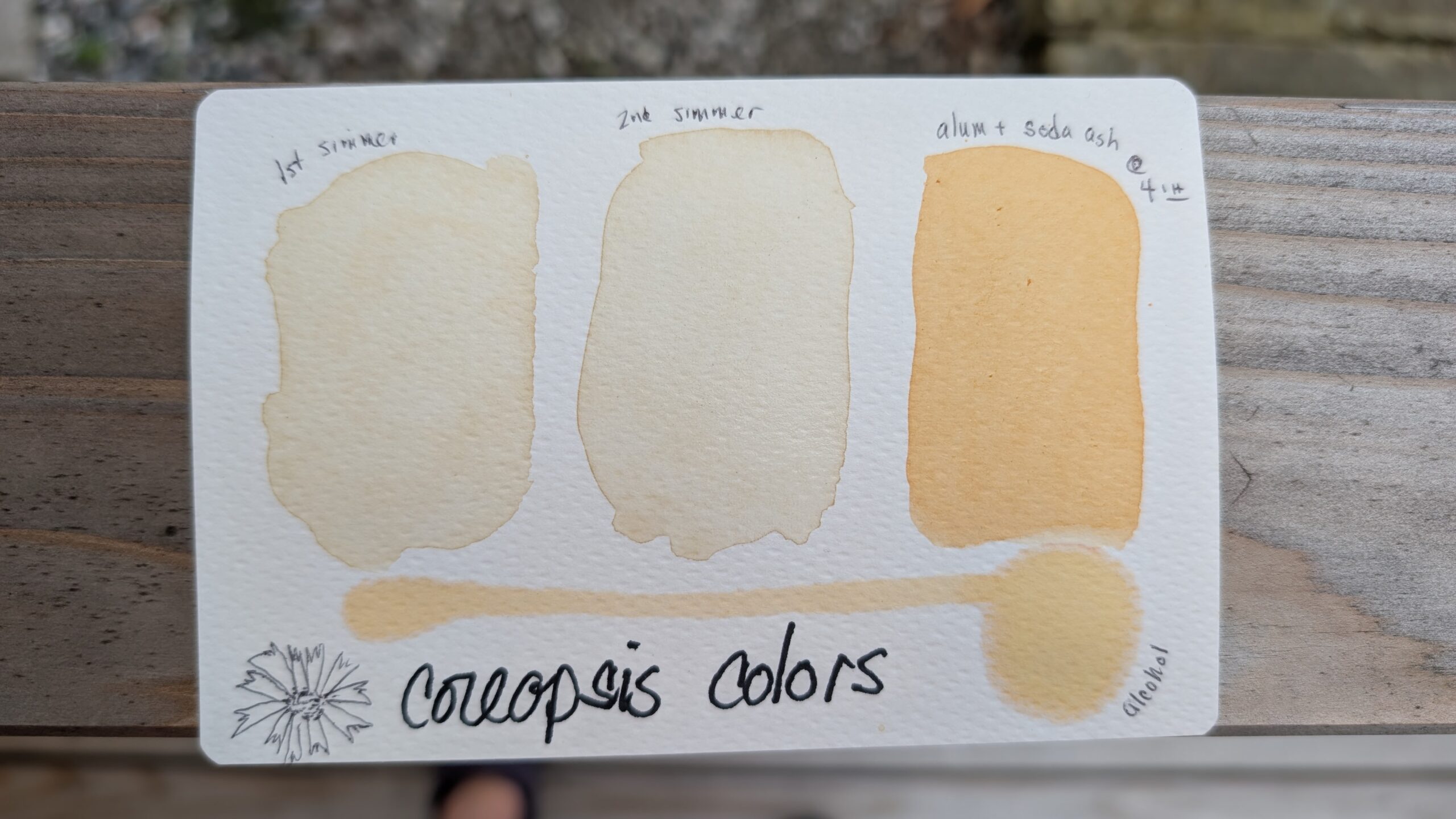
“Hey! Look! Oooh, yay!” I made Tod stop the car so that I could collect armfuls of freshly mown coreopsis from the ditch where they lay. Easy pickings on our way back from running errands. Coreopsis are on the invasive species list in Japan. It is illegal to plant them. They grow heartily along the…
-
Mad for madder

Madder is one of the few botanical sources of deep red. In its various forms it has been used to color military uniforms, fine clothing, and even the red sun at the center of the Japanese flag was once colored with madder. The red color comes from anthraquinone compounds in the roots. Of course I…
-
Spring Petal Colors

There are so many flowers blooming right now. Of course I decided to see if I could make color with them. I had some successes and some failures. YAMABUKI (Japanese Kerria) was a success. A bright yellow, as hoped. These are from the Kawasaki’s bush that flowered abundantly this year. BUGLEWEED produced a palid purple-grey.…
-
Color journey with freesia

This did not turn out how I imagined – every step was a revelation. Several weeks ago, I bought a bouquet of freesia to brighten up the house. They were cheerful colors – red, fuchsia, and pink as well as the classic yellow. As the blossoms faded, I decided to see what color I might…
-
Planning the Color Garden

Energised by spring’s return, I’m starting to plan the hatake for 2025 and beyond. Having been told that monkeys, boars, and deer are likely to eat any vegetables I might plant, I am pivoting to my interest in botanical color. I will create a color garden that produces plants I can turn into dyes and…
-
Lake mishap
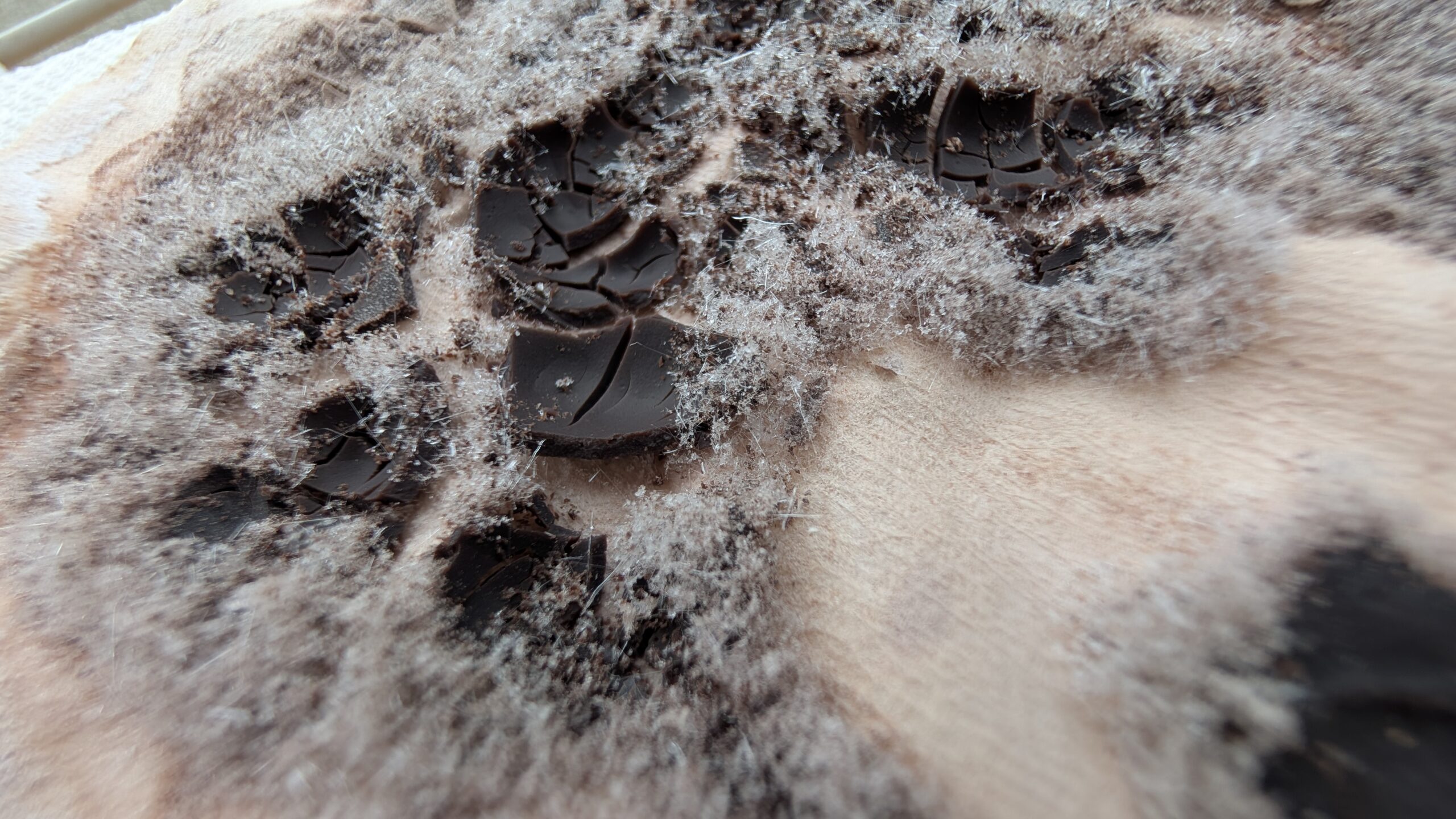
I was all excited to make a lake pigment with some iron-modified cypress (hinoki) dye I boiled up last week. It was a dark grey and the paper I made with the color is gorgeous. But when stabilising the pigment for paint, I messed up. I didn’t warm the water for the alum, so my…
-
From branches to paint

[Apricot colors, part 2] Yesterday I reached one of my long-standing goals. I made paint from raw ingredients. Artists have been doing this since art started but I have mostly purchased supplies ready made. I love knowing how things are made from start-to-finish and making pigment from apricot branches, then binding the pigment into a…

Archives