Last week, I got thinking again about foreign workers. Kimi Onoda, the cabinet minister in charge of immigration policies, was quoted in this article https://www.asahi.com/ajw/articles/17019691

“Far from expanding, the cap on the number of workers accepted should naturally shrink as time goes on,” she said. “This is not a discussion about simply increasing the number of workers accepted because there is a labor shortage.”
She’s not wrong, but I am not sure it’s going to work the way she believes.
Japan’s unemployment rate is low: 2.4% as of August this year. There is more work than there are workers, thanks to the aging, shrinking population and the difficult jobs that get left behind. Despite AI’s shining promise, work doesn’t do itself.
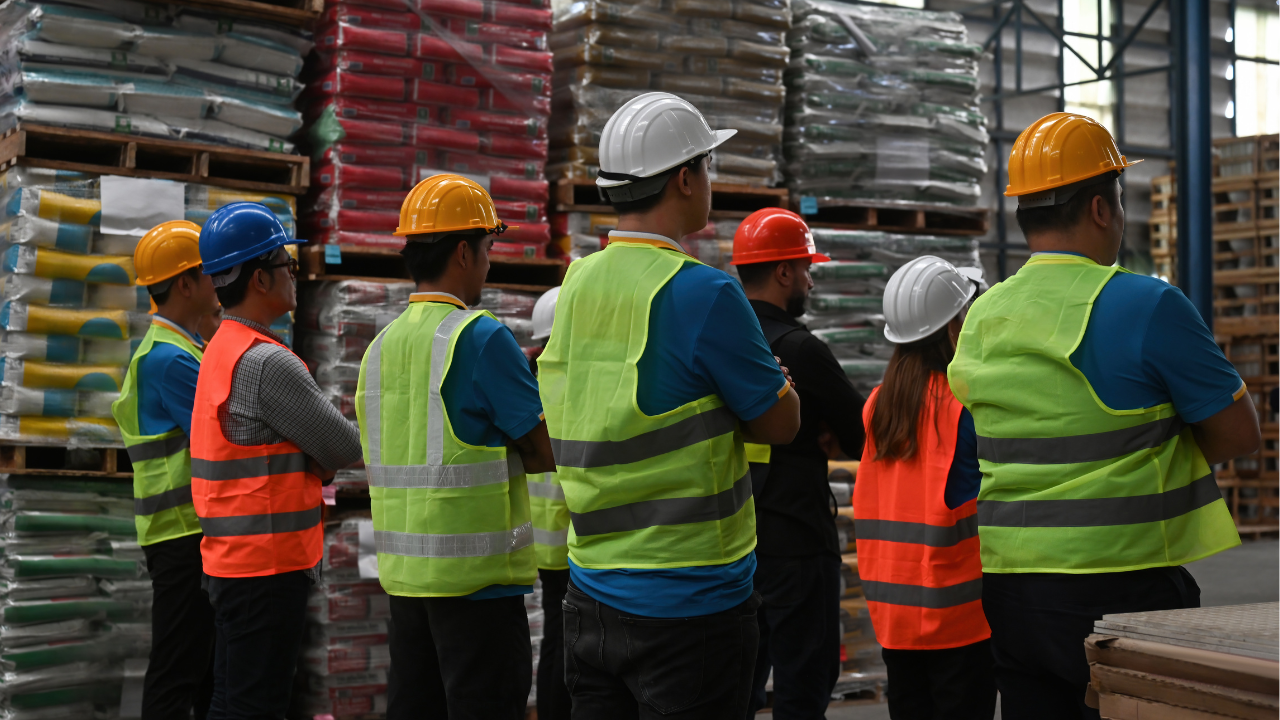
Everyone is talking about how many foreign workers there are now, so let’s have a quick recap: the workforce split is approximately 96% Japanese workers and 4% foreign workers. That is the highest the foreign labor segment has ever been. In terms of individual people, it’s about 2.5 million foreign workers in all sorts of jobs – including mine.
The cap that Onoda mentions is on a specific type of work visa – Specified Skilled Worker (SSW) – which focuses on industries that have a shortfall of workers. The number of visas issued (max 164,000/year) stays the same, but the list of jobs changes from year to year with caps in place for each one.
Here are the jobs/industries currently recruiting for the Specified Skilled Worker visa:
- Nursing Care: patient care, assistance with daily activities
- Building Cleaning: cleaning techniques, maintenance skills
- Agriculture: crop management, machinery operation
- Food Production: food safety, processing techniques
- Transportation: vehicle operation, logistics management
- Construction: building techniques, safety protocols
- Hospitality: customer service, food and beverage management
- Manufacturing: machine operation, quality control
Onoda says that AI is going to reduce the need for foreign workers, but many of the SSW positions are hands-on jobs. AI can tell a bedtime story, but it can’t change a diaper. Robots can vacuum hotel carpets, but they can’t make a bed (yet). Those jobs aren’t going anywhere.
However, I think it is possible to recruit fewer foreign workers as time passes, in two ways:
1) Improve conditions in skilled labor. Japan has a history of importing workers for unappealing jobs. There’s even a term for those jobs, 3K: kitanai (dirty), kiken (dangerous), and kitsui (tough). If Japan wants fewer foreigners working here, then it must shift policy and encourage Japanese people do the unpleasant jobs. Breaking the 3K stigma and making those jobs reputable is going to require some changes, like:
- Improving the environment of skilled work: higher salaries, greater safety, career progression, etc. That will reduce the 3K stigma. Being a bus driver should not be “1100 yen/hour job, 3 days on, 1 day off.”
- Creating robust programs and recruitment to vocational training for young workers and for salarymen whose office jobs are made redundant by AI; and
- Guaranteeing jobs after vocational training.
2) Population decline. The mathematical reality is that Japan will need fewer workers as the population contracts. It will be a statistical fact before long and Onoda and her successors can adjust their immigration caps accordingly. In fact, the number of working age people has declined by 15% in the years I have lived here and workers have continued employment later in life to compensate.

At this point, it must be the second option Onoda’s relying on, because there doesn’t seem to be any concrete government policy or program in place to take on the challenge of shifting the domestic workforce towards skilled labor.
As always, time will tell.