Japan is in the process of considering dual pricing for tourists. The government’s Ministry of Land, Infrastructure, Transport and Tourism is meeting now with a plan to make a report this summer. But in the Japanese way, if they have announced they are studying it, the plan’s already made and the report will merely provide the details. One point that has come out is that they will ask national museums to implement dual-pricing by March 2031.
Some facilities already have dual pricing.
Admission to the Himeji Castle and World Heritage site changed on March 1st. If you reside in Himeji city, entry is 1,000 yen. Anyone living outside Himeji, whether Japanese or foreign, pays 2,500 yen.
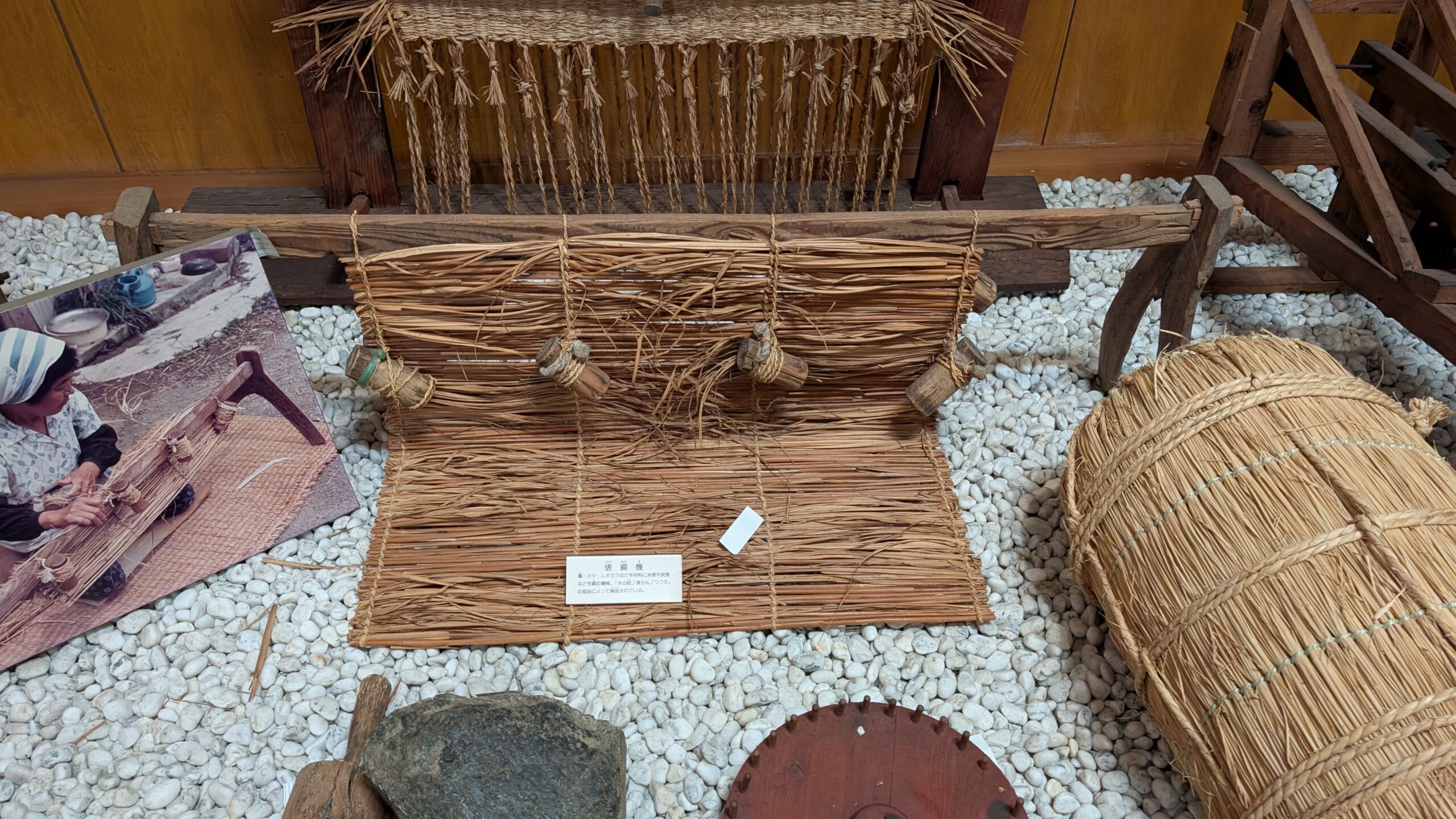
This is not uncommon. Here in Kamogawa, the city folk museum offers free admission for Kamogawa residents while everyone else pays 200 yen. It’s a nice little perk of paying taxes.
But the new pricing policies from MLIT aren’t about tax perks. They are about…well, a lot of things. Overtourism in popular spots. Economic realities of businesses operating in a shrinking population. And backlash over the “foreigner problem” which stems from fear and confusion about immigration.
As a foreign resident of Japan, I have some concerns about dual pricing policies based on an incident I witnessed in Bangalore almost a decade ago.
I visited to the Government Museum near Cubbon Park with my Indian friends. For Indians, entry price is 20 rupees; the price for foreigners is 150. My friends were apologetic that it was so much more for me. I wasn’t especially bothered; I was a tourist spending my converted yen and 150 INR is still inexpensive (about $1.50 or 250 yen).
However, coming in just behind us was a white woman who requested the local price because she lives and works in Bangalore. The cashier refused the request. The woman presented her local ID. Another refusal. “But I am paid in rupees and I’ve lived in India for ten years. I can’t afford 150 rupees to go in!” The cashier did not relent and the woman dejectedly left the museum.
It did seem unfair. Though not Indian by heritage or law, that woman’s economic reality was Indian with wages and cost of living all in the local economy. Unless dual pricing was in effect and then she was accounted as a foreigner with money to spend.
Japan welcomed 36.86 million foreign tourists in 2024 and was home to 3.77 million foreign residents. Japan’s immigrants are a very small portion of the foreign faces that museum cashiers, ticket sellers, restaurants, bus drivers, hoteliers, and others in the tourism industry will encounter. At first glance, indistinguishable.
I hope the MILT committee ensures there is a system in place so Japan’s 120.6 million residents are charged based on residence and not skin tone or passport.